
Frequently asked questions.
what type of training is best for my dog?
It can vary. Every dog and owner relationship is different. Every dog responds differently to different motivators. With that in mind, we develop a custom training plan together using top packages as a starting point to work from.
should my dog be in a group class or private session?
Depends on the type of training we’ll be doing. This will be discussed as part of the consultation to determine the best option for your dog.
where are group classes located?
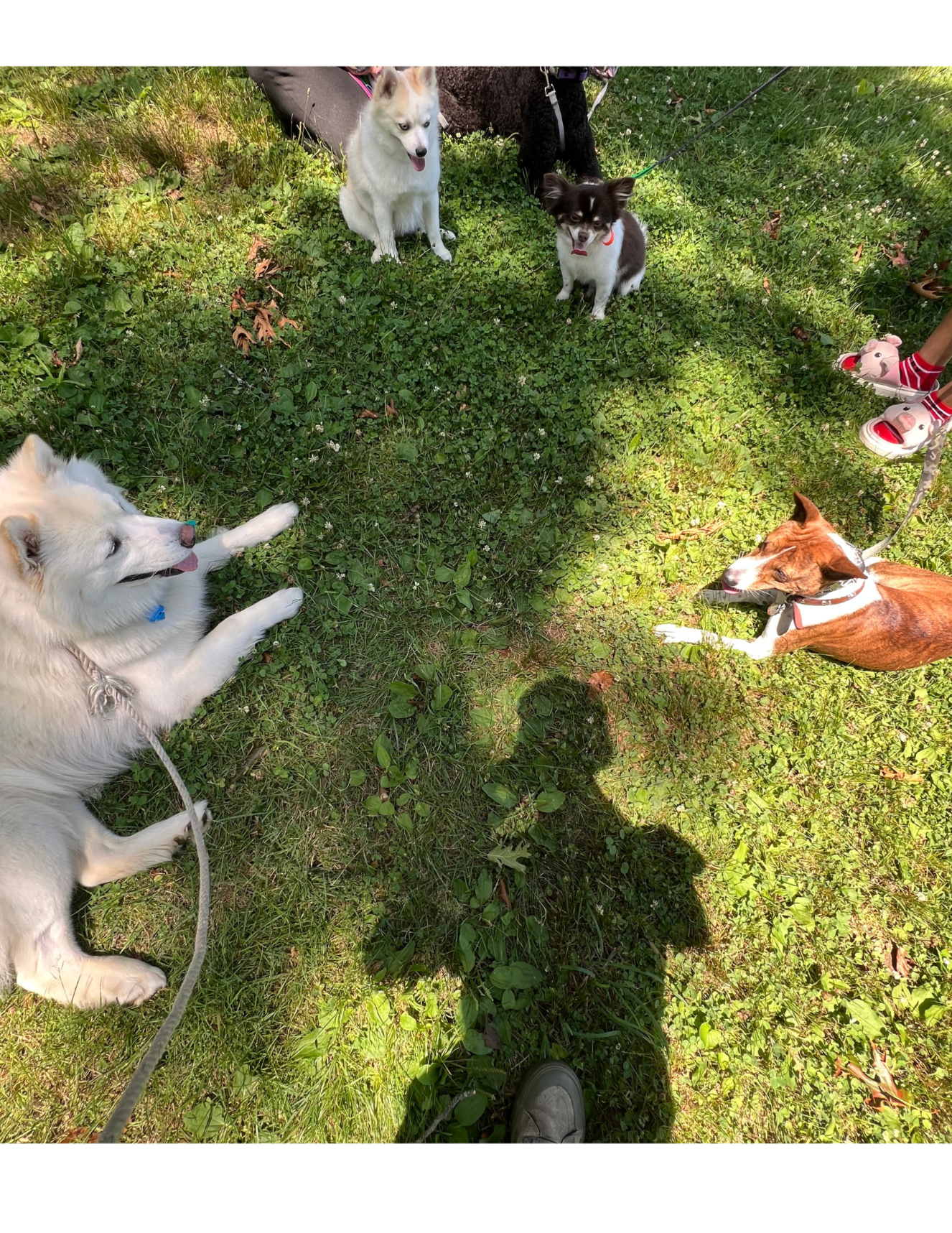
Typically in parks and other open spaced areas. It varies depending on the type of group class we’ll be conducting.
how long are sessions and group classes?
Sessions are generally for 1 hour at a time but some packages and plans will need longer session/group class time. This can also vary as private sessions are customized.
what tools are used in training?
This varies depending on many factors such as the age of the dog, the type of training we are working on, among other things. Flat collars, martingale collars, slip leads, training prong collars, remote collars, gentle leaders, specific harnesses, etc. are all tools that may or may not be used during training.
how many dogs are in a group class?
This varies on the type of group class we’ll be doing. It can typically range from 2-10.
what should i bring to a session or group class?
What you currently use at home (leash, harness, collar, etc.), treats, and A sturdy, non-retractable leash (4-6 feet long), and a favorite toy can help during training sessions.
What methods are used?
We use a balanced training method. This will be discussed in depth further during the consultation and methods vary depending on the type of training we are doing, what will best benefit your dog, and the goals you have for you and your dog.
what is balanced training?
Balanced dog training is a method that combines all four quadrants of operant conditioning: positive reinforcement (rewarding good behavior), negative reinforcement (removing something unpleasant to encourage behavior), positive punishment (adding a correction to discourage unwanted behavior), and negative punishment (removing something the dog values to decrease a behavior). This approach emphasizes clear communication, consistency, and proper timing to help your dog understand what’s expected. Adaptable to each dog’s unique personality and needs, balanced training avoids extremes by focusing on both reinforcing positive actions and discouraging negative ones. By creating structure and setting boundaries, it fosters trust, respect, communication, and a well-rounded, well-behaved companion.
lima?
LIMA, or Least Intrusive, Minimally Aversive, is an approach that prioritizes positive reinforcement, using rewards like treats and praise to encourage desired behaviors. Aversive techniques are sometimes used but are minimized and only applied when necessary, in the least invasive way. Training is tailored to each dog’s unique needs, with a thorough assessment to address behavior at its root. Ethical decision-making guarantees the dog’s emotional and physical well-being remains the top priority, promoting trust and lasting results.
payments?
Currently, payments are taken in cash, checks (fees will be charged for bounced checks), Venmo, Zelle, or CashApp.